
Fence Cleaning in Clarksville, TN
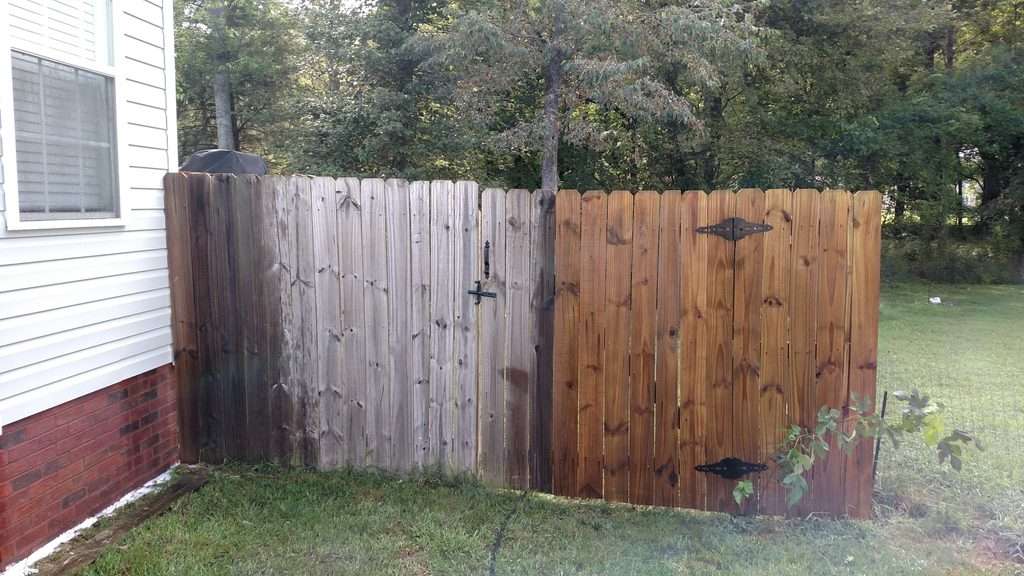
Wood, Vinyl, Metal & Brick Fence Cleaning
Clarksville Exterior Cleaning provides professional fence cleaning for wood, vinyl, metal, brick and other appropriate fence surfaces throughout Clarksville and surrounding communities. Dirt, grime and organic buildup can leave fencing looking dark, weathered and neglected.
Since 1999, we’ve matched the cleaning method to the fence material and its condition. Wood, vinyl, metal and brick fencing have different cleaning requirements, so we select an appropriate process for the surface rather than treating every fence the same way.
Fences are exposed to the weather every day, and in Middle Tennessee that can mean plenty of humidity, rainfall, pollen, dirt and changing seasonal conditions. Over time, algae, grime, organic growth and airborne pollution can leave wood, vinyl and metal fencing looking heavily soiled and neglected. Clarksville Exterior Cleaning provides professional fence cleaning in Clarksville, TN and surrounding communities, using a cleaning method appropriate for the material and condition of the fence.
Since 1999, we have learned that fence cleaning is not a one-method-fits-all service. Wood, vinyl and metal fences can react very differently to cleaning solutions, water pressure and technique. Before cleaning, we consider the fence material, age, finish, condition and the type of buildup present so we can choose an appropriate cleaning process.
The Right Cleaning Method for the Fence
A pressure washer is a useful professional cleaning tool, but that does not mean every fence should simply be blasted with high pressure. Excessive or improperly applied pressure can damage wood fibers, affect painted or coated surfaces and create unnecessary problems on materials that require a gentler approach.
Depending on the fence material and its condition, we may use soft washing, controlled pressure, appropriate cleaning solutions or a combination of methods. Our goal is to remove appropriate surface buildup while avoiding unnecessary pressure on the fence.
For surfaces and conditions where controlled water pressure is appropriate, you can also learn more about our pressure washing services and how we match the cleaning method to the surface being cleaned.
Wood Fence Cleaning
Wood fencing around Clarksville can spend years exposed to moisture, sunlight, tree cover, pollen and changing weather conditions. Shaded areas often stay damp longer, allowing algae and other organic growth to become established. Dirt, grime and airborne pollution can also collect on the surface and in the texture of the wood, gradually changing the appearance of the fence.
Professional fence cleaning can remove appropriate surface dirt, algae, grime and organic buildup and reveal the actual condition of the wood underneath. Older wood may still show natural weathering, aging, discoloration or previous coatings after it has been cleaned. Cleaning the fence does not automatically reverse years of weather exposure or make old wood new again.
Wood also requires careful technique. Aggressive pressure can leave visible cleaning marks, raise or damage wood fibers and create an uneven appearance. We evaluate the wood first and adjust the cleaning process rather than treating every fence the same way.
Vinyl Fence Cleaning
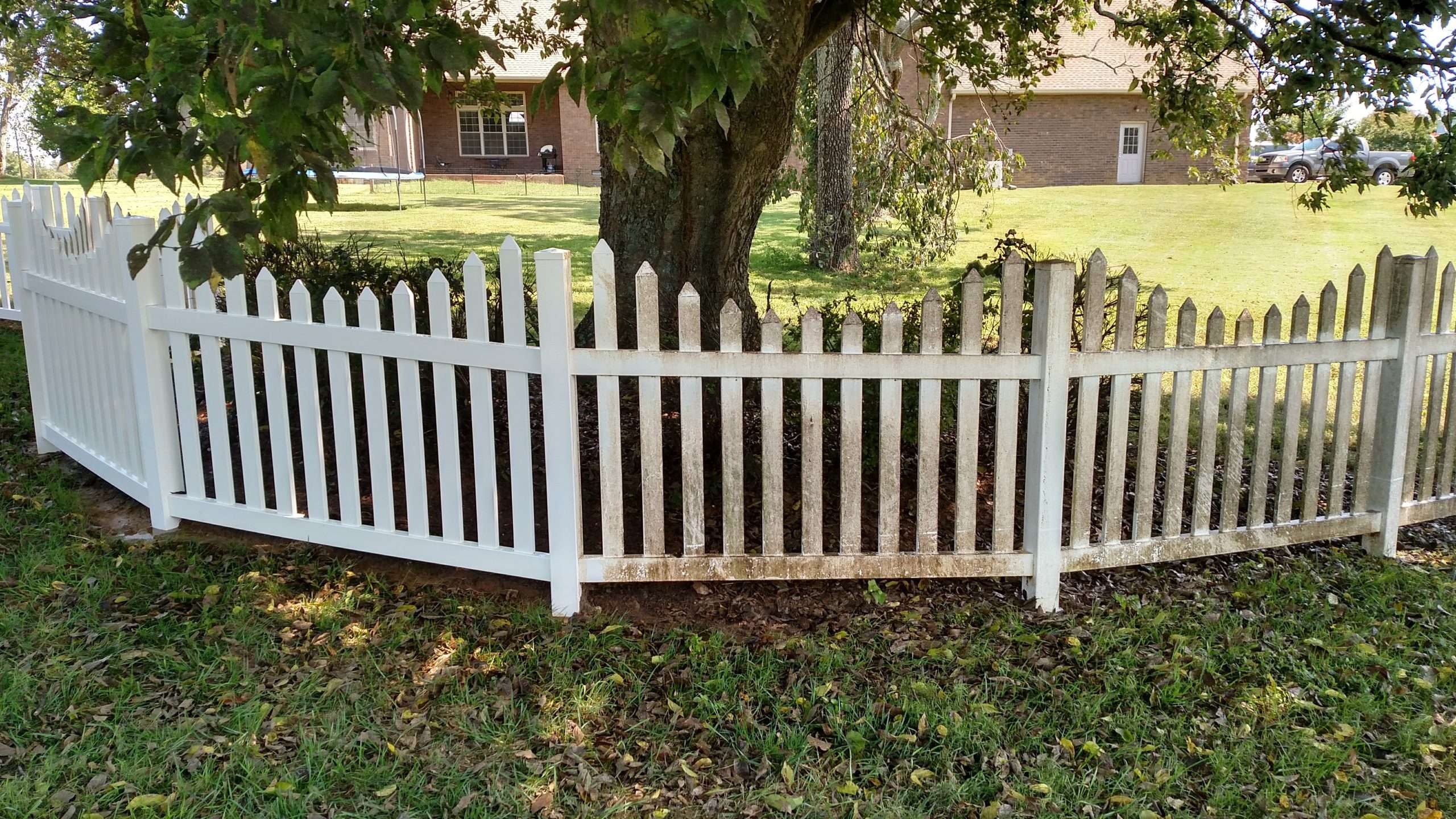
Vinyl fencing does not weather the same way wood does, but it can still become heavily soiled. In Middle Tennessee, pollen, dirt, algae, organic growth and airborne pollution can collect on vinyl surfaces, particularly along shaded areas and sections that stay damp after rainfall.
White and light-colored vinyl fencing can make this buildup especially noticeable. Green organic growth, dark streaking and general grime can gradually change the appearance of an otherwise bright fence.
Professional vinyl fence cleaning uses a method appropriate for the material and condition of the surface. Rather than relying on unnecessary pressure, we use appropriate cleaning solutions and controlled cleaning methods to remove surface buildup while protecting the fence and its finish.
Different Fence Materials Require Different Cleaning Methods
Fence cleaning is not limited to wood privacy fences. We clean many wood, vinyl, metal and brick fencing surfaces, with the cleaning method selected according to the material, condition and type of buildup present.
Brick fences can collect algae, dirt, grime, organic growth, pollen and airborne pollution just like other exterior masonry surfaces. Brick and mortar conditions can vary, so we evaluate the surface before choosing an appropriate cleaning process.
Vinyl fencing has different cleaning considerations than wood, while painted, coated, oxidized or weathered metal may require additional care. The important part is not how much pressure a machine can produce. It is knowing when pressure washing is appropriate, when soft washing or another lower-pressure method is better, and when the condition of the material requires additional caution.
Came on time. Very polite. Detailed oriented. Cleaned area’s we didn’t even realize needed cleaning. My husband and I would definitely be using this service again. Thank you Clarksville Exterior Cleaning
Read more reviews from our customers.
Cleaning and Stain Removal Are Different Services
Fence cleaning is performed first to remove appropriate surface dirt, grime, algae and organic buildup. Once the surface is clean, remaining discoloration can be evaluated more accurately.
Some discoloration may be related to natural weathering, oxidation, old paint or stain, rust, mineral deposits or other conditions that routine cleaning is not intended to remove. If additional stain-removal or restoration work is appropriate, we can discuss that separately and provide an exact cost quote when needed.
Fence Cleaning Throughout the Clarksville Area
Clarksville Exterior Cleaning has provided professional exterior cleaning services since 1999. We serve homeowners in Clarksville and surrounding communities throughout our service area, including properties with fences affected by shade, trees, seasonal pollen and the outdoor conditions common throughout our region.
Fence cleaning can also be performed along with other exterior cleaning projects. If other areas of the property need attention, explore our house washing, deck cleaning, concrete cleaning and other exterior cleaning services.
Curious what our fence cleaning work looks like on actual properties? See real fence cleaning projects completed by Clarksville Exterior Cleaning in our project gallery.
Professional Fence Cleaning for the Right Surface
Every fence is different. Material, age, condition, previous coatings, surrounding vegetation and the type of buildup present can all affect the cleaning process. Clarksville Exterior Cleaning evaluates these conditions before determining an appropriate approach rather than treating every fence the same way.
Whether the fence is wood, vinyl, metal, brick or another appropriate exterior surface, our goal is straightforward: clean the fence effectively without causing unnecessary damage to the material we are there to maintain.
Outstanding service and an exact quote! Very happy with the work and I highly recommend them.
Can You Pressure Wash a Wood Fence Without Damaging It?
Yes, but cleaning a wood fence safely requires more than simply turning down the pressure on a pressure washer. The age and condition of the wood, type of lumber, existing coatings and amount of buildup all affect how the fence should be cleaned.
Too much pressure, holding the nozzle too close or using an aggressive tip can damage the surface of the wood. It can raise or tear the wood fibers, leave visible cleaning marks and create an uneven appearance that may become even more noticeable after the fence dries.
At Clarksville Exterior Cleaning, we evaluate the condition of the wood before choosing the cleaning process. Appropriate cleaning solutions are used to loosen organic growth and surface buildup so excessive pressure is not required to do the work.
Older and heavily weathered fences require even more care. Our goal is to remove the buildup that can be safely cleaned without unnecessarily damaging the wood underneath.
Can You Pressure Wash a Vinyl Fence Without Damaging It?
Yes. Vinyl fencing can be pressure washed, but excessive pressure usually isn’t necessary. Unlike wood, vinyl does not have exposed wood fibers that can be raised or splintered, but an overly aggressive cleaning method can still cause problems and may force water into areas where it doesn’t belong.
Most of the green algae, mildew, dirt and organic buildup commonly found on vinyl fencing can be loosened with an appropriate cleaning solution and then rinsed away using controlled pressure. This allows the cleaning process—not excessive force—to do most of the work.
White and lighter-colored vinyl fences can make organic growth especially noticeable, particularly on shaded sections or areas near trees and landscaping. The cleaning method should be adjusted to the condition of the fence and the amount of buildup present.
At Clarksville Exterior Cleaning, we use the amount of pressure necessary for the job rather than treating maximum pressure as the cleaning method.
Can Pressure Washing Damage a Brick Fence or Wall?
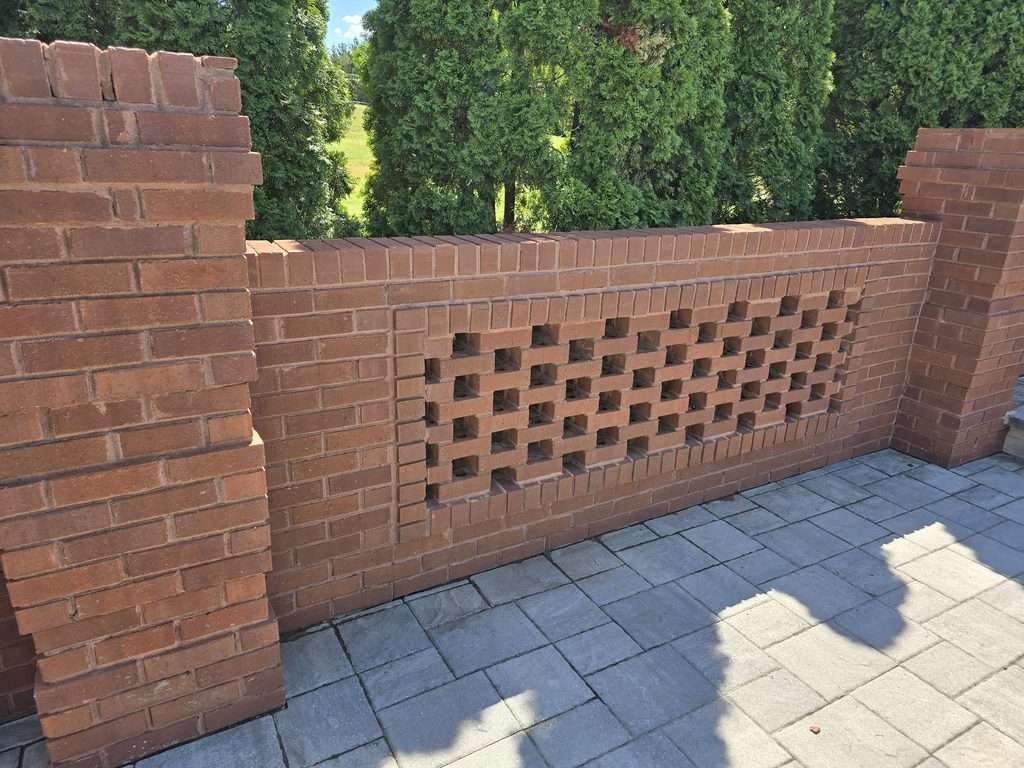
Brick may appear extremely durable, but that does not mean every brick surface should be cleaned with high pressure. Excessive pressure or improper technique can damage mortar joints and, on some brick, damage or remove portions of the outer brick face.
Brick varies considerably in age, hardness, condition and finish. Decorative brick walls, older masonry, colored or textured brick and previously weathered surfaces can require considerably more care than someone might expect simply by looking at them.
Clarksville Exterior Cleaning has been cleaning exterior surfaces since 1999. Rather than relying on high pressure to strip algae, fungal growth and other organic buildup from brick, we use appropriate masonry-cleaning detergents to loosen and release the buildup from the surface. Once the cleaning solution has done its work, the brick can be thoroughly rinsed using controlled low pressure instead of attempting to blast the contamination away.
This approach is especially important on decorative brick fences and walls around patios, pools and outdoor living areas. Excessive pressure can damage mortar joints and, on some masonry, erode or remove portions of the brick’s finished face. Once that surface has been damaged, cleaning cannot put it back.
Our objective is straightforward: clean the brick without sacrificing the brick face or mortar trying to clean it faster. The cleaning method should fit the masonry—not force the masonry to tolerate the cleaning method.
Can You Pressure Wash a Metal Fence Without Damaging It?
Yes, many metal fences can be pressure washed, but the condition and finish of the fence matter just as much as the metal itself. Aluminum, wrought iron, steel and chain-link fencing can have very different coatings and conditions that affect how they should be cleaned.
Painted and powder-coated metal deserve particular care. Excessive pressure or cleaning too close to the surface can damage an aging or weakened finish, especially around edges, joints and areas where a coating may already be deteriorating.
At Clarksville Exterior Cleaning, we evaluate the condition of the fence before deciding how much pressure is appropriate. We use exterior cleaning detergents to gently break down surface contaminants such as dirt, atmospheric pollution, algae, insect residue and spider webs so they can be rinsed away without relying on excessive pressure or harsh chemicals to do the work.
Once the contaminants have been loosened, the fence can be thoroughly rinsed using controlled pressure appropriate for the surface and its existing finish. The goal is to let the cleaning process do the work rather than using unnecessary pressure against a painted, coated or otherwise finished metal surface.
Rust, oxidation, peeling paint and failed coatings are different from ordinary surface buildup. Professional cleaning can reveal these conditions more clearly, but cleaning is not the same as rust removal, repainting or refinishing. If we identify an existing condition that could affect the cleaning process or expected results, we explain it before proceeding rather than risk damaging the fence trying to make routine cleaning accomplish something it was never intended to do.
How Often Should a Fence Be Professionally Cleaned in Tennessee?
There is no single cleaning schedule that applies to every fence. In Middle Tennessee, humidity, rainfall, shade, tree cover and surrounding vegetation can all affect how quickly dirt and organic growth return.
A fence exposed to plenty of sunlight and good airflow may stay clean considerably longer than one located beneath trees or along a shaded property line. North-facing sections and areas that remain damp for extended periods may also develop green algae, mildew or other organic buildup sooner.
Rather than cleaning a fence according to a fixed calendar, we recommend having it cleaned when visible buildup begins to develop. Addressing the buildup before it becomes heavy can make routine maintenance easier and helps keep the fence looking properly maintained.
The material matters too. Wood, vinyl, metal and masonry fencing can weather and accumulate buildup differently, which is another reason the appropriate cleaning interval should be based on the actual conditions around the fence.
Why Is My Fence Turning Green or Growing Algae and Mildew?
Green buildup on a fence is usually associated with algae and other organic growth that thrive where moisture lingers. Middle Tennessee’s humidity and rainfall can create favorable conditions, especially on fences surrounded by trees, shrubs or other vegetation.
Shade is another major factor. Sections of a fence that receive less direct sunlight dry more slowly after rain, morning dew or periods of high humidity. This is why one side—or even one section—of the same fence can become noticeably greener than another.
Wood and vinyl fences can both develop organic buildup, although it may appear differently depending on the surface. White vinyl tends to make green growth extremely noticeable, while buildup on wood can blend with natural weathering until it becomes more established.
Professional cleaning removes the surface buildup, but it cannot change the environmental conditions surrounding the fence. If a section remains heavily shaded and damp, organic growth may eventually return and require periodic cleaning.
Should a Wood Fence Be Cleaned Before Staining or Sealing?
Yes. A wood fence should generally be properly cleaned before applying a new stain or sealer. Dirt, algae, mildew and other surface buildup can interfere with how evenly a coating penetrates or bonds to the wood.
Cleaning also gives us a better look at the actual condition of the fence. Once surface buildup is removed, weathering, remaining discoloration, old coatings and other conditions that may require additional preparation are easier to identify.
After cleaning, the wood must be allowed to dry sufficiently before stain or sealer is applied. Applying a coating while the wood still contains excessive moisture can interfere with penetration and affect the finished result.
Cleaning is only the preparation step—it is not the same service as staining or sealing. If additional preparation or a protective coating is needed, that work can be evaluated separately after the fence has been cleaned.
Can an Older or Weathered Wood Fence Be Professionally Cleaned?
Yes. Many older and weathered wood fences can be professionally cleaned, but the condition of the wood needs to be considered before cleaning begins. Age alone does not necessarily prevent a fence from being cleaned safely.
Older wood may have weakened or raised fibers, previous coatings, sun damage, uneven weathering or areas that have deteriorated over time. These conditions can affect both the cleaning method and the results that should reasonably be expected.
Professional cleaning can remove dirt and organic buildup and reveal the actual condition of the wood underneath. It will not, however, reverse natural weathering, repair deteriorated wood or remove every discoloration that has developed within the material.
This is why we evaluate older fences before determining the cleaning process. The goal is to improve the fence by safely removing what can be cleaned—not sacrifice the remaining wood trying to make an aging fence look brand new.
Will Fence Cleaning Remove Every Stain and Discoloration?
No. Professional fence cleaning removes dirt, algae, mildew and other surface buildup, but some discoloration can remain after the fence itself is clean.
Wood may have natural weathering, sun exposure, tannin discoloration, previous stain or sealer, rust marks or other conditions that are not simply dirt sitting on the surface. Vinyl, metal and masonry fencing can also develop oxidation, mineral deposits, rust staining and other discoloration that routine cleaning may not remove.
We prefer to clean the fence first and then evaluate anything that remains. Once the normal buildup is gone, it becomes much easier to determine whether a remaining mark is actually a stain and what additional treatment, if any, may be appropriate.
Stain removal and restoration are separate from routine fence cleaning. If additional work is recommended, we explain the condition and provide a separate exact cost quote rather than promising results from a cleaning service that the cleaning process itself cannot deliver.
How Much Does Professional Fence Cleaning Cost in Clarksville, TN?
The cost of professional fence cleaning depends on the fence itself and the amount of work required to clean it properly. There is no single price that accurately applies to every fence.
Important factors include the total length and height of the fence, material, condition, amount of buildup and accessibility. Heavy organic growth, difficult terrain, landscaping along the fence line and other site conditions can also affect the time and cleaning process required.
Wood, vinyl, metal and masonry fencing may require different cleaning methods, so we evaluate the actual fence rather than quoting a generic price based only on linear footage.
Clarksville Exterior Cleaning provides an exact cost quote before work begins. The price and scope of work are explained in advance, with no hidden fees or bait-and-switch pricing.
Can Algae and Mildew Damage a Wood Fence if Left Uncleaned?
Algae and mildew on a wood fence are often signs that the surface is remaining damp long enough to support organic growth. While the green or dark buildup itself does not automatically mean the wood is damaged, the moisture conditions that allow it to thrive can become a concern over time.
Wood that repeatedly stays damp can weather more quickly and may become more vulnerable to deterioration. Shade, dense vegetation, poor airflow and constant ground moisture can make certain sections of a fence especially susceptible.
Heavy organic buildup can also hide the actual condition of the wood. Cleaning the surface makes it easier to identify weathering, deteriorated areas or other conditions that were difficult to see underneath the buildup.
Routine cleaning cannot prevent normal aging or correct moisture problems around a fence, but removing accumulated organic growth is an important part of maintaining the surface and monitoring the condition of the wood.
Going the extra mile for our customers means more than removing dirt and green buildup from a fence. It means recognizing the differences between wood, vinyl, metal and masonry fencing, choosing the appropriate cleaning method for each surface, and discussing potential concerns before work begins. Since 1999, Clarksville Exterior Cleaning has focused on cleaning fences properly while treating our customers’ property with the care and respect it deserves.
Ready to Get Started?
Have questions or ready to request your exact cost quote? Contact Clarksville Exterior Cleaning to schedule your free on-site evaluation, or contact us if you have a question about your fence or our professional fence cleaning service.